Maximizing Efficiency in CNC Machining for Plastic Components
Understanding CNC Machining for Plastic Components
The Role of CNC Machinery in Plastic Fabrication
CNC machinery plays a pivotal role in the production of plastic components, enabling manufacturers to achieve high precision and repeatability. This technology automates the machining process, allowing for the efficient fabrication of complex shapes and intricate designs. CNC machining removes material from a solid block of plastic using various cutting tools, which can create parts with superior accuracy compared to traditional machining methods. The versatility of CNC machines makes them suitable for a range of applications, from prototypes to large-scale production runs. Understanding the capabilities of CNC machinery greatly enhances the potential for crafting high-quality, machined plastic components that meet specific project demands.
Types of Engineering Plastics Used in CNC Machining
Engineering plastics such as polycarbonate, nylon, and acetal are commonly used in CNC machining due to their excellent mechanical properties and durability. Polycarbonate, known for its impact resistance and transparency, often finds applications in protective covers and lenses. Nylon, with its low friction properties, serves well in parts that require wear resistance, while acetal provides superior dimensional stability for precision components. Each of these materials offers unique characteristics, making them ideal for various applications in plastic fabrication. By selecting the right engineering plastic, companies can optimize the performance of their machined plastic parts, ensuring they meet the required specifications and tolerances.
Key Specifications and Tolerances for Machined Plastic Parts
Specifications and tolerances are critical in ensuring that machined plastic components meet functional requirements. Tolerances refer to the allowable deviations from specified dimensions, which can significantly affect the performance of the final product. In CNC machining, common tolerances for plastic parts range from ±0.005 inches to ±0.020 inches, depending on the complexity and application of the component. Additionally, surface roughness is an essential specification, as it influences the aesthetic and functional properties of machined plastic parts. Manufacturers must carefully define these specifications during the design phase to avoid costly rework and ensure a smooth production process.
Optimizing the CNC Machining Process
Choosing the Right CNC Machine for Plastic Components
Selecting the appropriate CNC machine is vital for optimizing the machining process of plastic components. Different machines cater to various types of plastics and manufacturing needs. For example, high-speed CNC routers excel in cutting soft plastics, while CNC milling machines are ideal for hard plastics requiring intricate detailing. Machinists must assess factors such as the type of material, desired finish, and production volume when choosing a machine. Investing in modern CNC technology, such as multi-axis machines, can enhance efficiency and flexibility, enabling manufacturers to produce complex geometries with ease. A well-chosen machine can significantly reduce cycle times and improve overall productivity.
The Importance of Surface Finishing and Treatment
Surface finishing and treatment are crucial steps in the CNC machining process for enhancing the aesthetic and functional properties of machined plastic parts. Techniques such as sanding, polishing, and coating can improve surface smoothness, thereby reducing friction and wear in the final application. Additionally, surface treatments like anodizing or applying protective coatings can enhance chemical resistance and machined plastic part durability. These finishing processes also play a significant role in meeting industry standards and customer expectations. By prioritizing surface finishing, manufacturers can elevate the quality of their machined plastic components, ensuring they perform effectively in their intended applications.
Utilizing Robotics in Batch Production of Machined Plastics
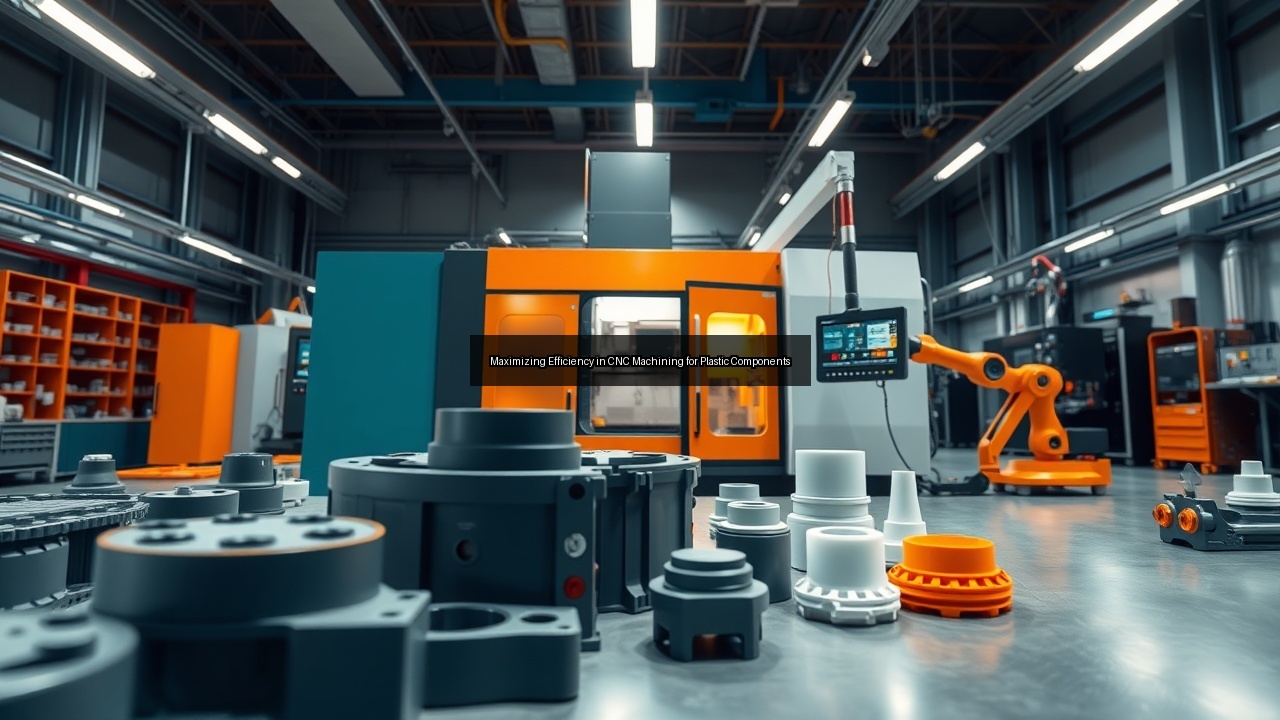
Incorporating robotics into the batch production of machined plastics can significantly boost efficiency and consistency. Robots streamline repetitive tasks such as loading and unloading CNC machines, which minimizes human error and reduces cycle times. Automation allows for continuous production, leading to higher output without sacrificing quality. Moreover, robots can handle complex tasks such as assembly and packaging, further optimizing the manufacturing process. Companies embracing robotic technology in their CNC machining operations often report enhanced productivity and reduced labor costs, making it a worthwhile investment for those producing machined plastic components.
Quality Assurance in Machined Plastic Components
Testing and Inspection Techniques for CNC Machined Parts
Quality assurance is paramount in the production of CNC machined plastic parts. Implementing rigorous testing and inspection techniques ensures that each component meets the required specifications and tolerances. Techniques such as coordinate measuring machines (CMM) and optical inspection systems allow for precise measurements and defect detection. Non-destructive testing methods, including ultrasonic and X-ray inspections, provide additional layers of assurance by identifying internal flaws without damaging the components. By integrating comprehensive quality control measures throughout the machining process, manufacturers can uphold high standards and customer satisfaction, minimizing the risk of defects in their machined plastic components.
Collaboration with Manufacturers for Quality Control
Collaborating closely with manufacturers fosters a culture of quality control throughout the CNC machining process. Open communication between designers, machinists, and manufacturers leads to better alignment on specifications and expectations. This teamwork allows for early identification of potential issues, facilitating timely adjustments before production begins. Manufacturers often employ statistical process control (SPC) to monitor production variables and maintain consistent quality. By working together, companies can enhance the reliability plastic cnc machined components of their machined plastic components, ensuring that they meet or exceed industry standards and customer needs.
Common Challenges and Solutions in Machined Plastic Production
CNC machining of plastic components presents several challenges, including material deformation, tool wear, and achieving tight tolerances. Material deformation can occur due to heat generated during machining, leading to warping or dimensional inaccuracies. Implementing optimal cutting speeds and cooling techniques can mitigate this issue. Tool wear, particularly with abrasive plastics, can compromise the quality of machined surfaces. Regular tool maintenance and replacement are essential for maintaining production quality. Additionally, achieving tight tolerances may require advanced CNC machinery and skilled machinists. Addressing these challenges with proactive strategies ensures the production of high-quality, machined plastic parts.
Future Trends in CNC Machining of Plastic Components
Innovative Technologies Shaping the Future of Plastic Machining
The landscape of CNC machining for plastic components is evolving rapidly due to innovative technologies. Additive manufacturing, or 3D printing, complements traditional CNC processes by enabling rapid prototyping and customization. This technology allows for the creation of complex geometries that may be difficult or impossible to achieve with conventional machining. Additionally, advancements in CNC machinery, such plastic cnc machined components as intelligent automation and machine learning, enhance efficiency and precision. These innovations not only streamline production but also open up new possibilities for crafting intricate, high-performance machined plastic components tailored to specific applications.
Sustainability in CNC Machined Plastic Components
Sustainability has become a key focus in the manufacturing sector, and CNC machining of plastic components is no exception. Manufacturers are increasingly adopting eco-friendly practices, such as utilizing biodegradable plastics and recycling machining waste. Implementing energy-efficient CNC machinery reduces the carbon footprint associated with production. Moreover, sustainable sourcing of materials contributes to environmental responsibility. By prioritizing sustainability, companies not only meet regulatory requirements but also respond to growing consumer demand for environmentally friendly products, positioning themselves as leaders in the market for machined plastic components.
The Impact of Industry 4.0 on Plastic Fabrication
Industry 4.0 is revolutionizing CNC machining for plastic components by integrating smart technology into the manufacturing process. The Internet of Things (IoT) connects machines, allowing for real-time monitoring and data analysis. This connectivity enhances predictive maintenance, reducing downtime and extending the life of CNC machinery. Advanced analytics provide insights into production efficiency, enabling companies to optimize processes and reduce waste. As Industry 4.0 continues to shape the landscape of plastic fabrication, manufacturers who embrace these technologies will gain a competitive edge in producing high-quality, machined plastic components efficiently and sustainably.