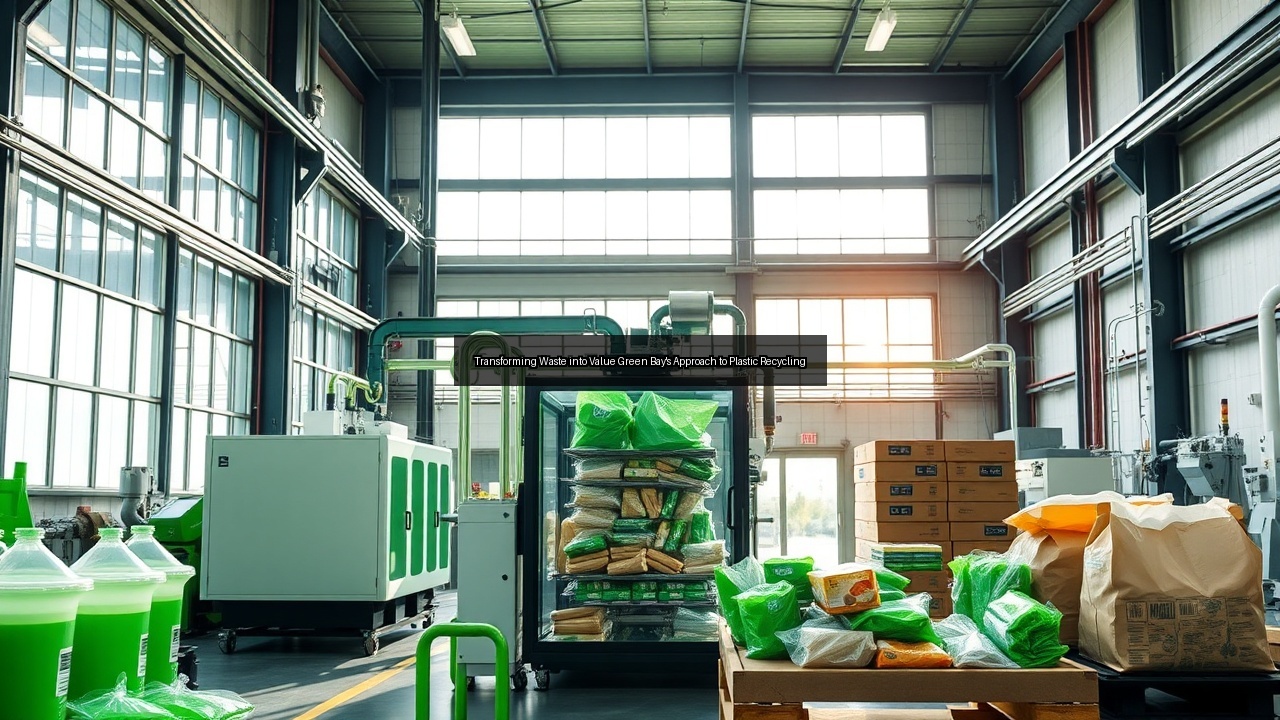
Transforming Waste into Value Green Bay's Approach to Plastic Recycling
The State of Plastic Waste in Green Bay
Overview of Plastic Waste Generation
Green Bay faces a significant challenge with plastic waste generation, much like many urban areas across the United States. The region produces thousands of tons of plastic waste each year, primarily from consumer products and packaging. Plastic materials, including polyethylene, dominate the waste stream due to their widespread use in everyday items. This overwhelming volume of waste not only strains local landfills but also poses environmental hazards. The need for effective waste management strategies has never been more crucial. By understanding the scale and nature of plastic waste, Green Bay can develop targeted initiatives to improve sustainability and recycling efforts.
Challenges in Plastic Recycling
Despite the growing awareness of environmental issues, Green Bay's plastic recycling efforts face numerous challenges. One significant obstacle is the low recyclability of many plastic types. Not all plastics can be processed through conventional recycling methods, leading to a considerable amount of recyclable material ending up in landfills. Contamination from food residue and improper sorting further complicates the recycling process. Additionally, public understanding of what can and cannot be recycled remains limited. These challenges hinder the effectiveness of recycling programs, highlighting the necessity for education and innovation in the recycling sector.
The Importance of Plastics Recyclability
Recyclability plays a pivotal role in addressing the plastic waste crisis in Green Bay. The ability to recycle plastics effectively can significantly reduce the environmental impact of waste. High recyclability means that manufacturers can reclaim materials and reintegrate them into the production cycle, reducing the need for virgin plastic. This not only conserves energy but also minimizes the extraction of natural resources. Green Bay's plastic manufacturers must prioritize the design of products and packaging with recyclability in mind. By emphasizing sustainable practices, they can contribute to a circular economy that benefits both the environment and local communities.
Innovative Approaches by Green Bay Plastic Companies
Sustainable Packaging Solutions
Green Bay plastic companies are leading the charge in developing sustainable packaging solutions. Many manufacturers are shifting towards biodegradable and compostable materials that reduce reliance on traditional plastics. These innovations not only address plastic waste but also resonate with environmentally conscious consumers. Companies are investing in research and development to create packaging that maintains performance while minimizing environmental impact. For instance, some manufacturers are experimenting with plant-based materials that can replace petroleum-based plastics. This forward-thinking approach positions Green Bay as a hub for sustainable packaging, setting an example for other regions to follow.
Utilizing AI in Recycling Processes
Artificial intelligence (AI) has emerged as a game-changer in the recycling landscape. Green Bay plastic companies are leveraging AI technology to enhance sorting processes and improve recycling efficiency. AI systems can analyze vast amounts of data to identify and categorize different types of plastics, increasing the accuracy of recycling operations. This technology reduces contamination rates and ensures that more materials are recycled correctly. By incorporating AI, manufacturers can optimize their processes, reduce operational costs, and ultimately create a more sustainable recycling ecosystem. Green Bay's commitment to adopting cutting-edge technologies demonstrates a proactive approach to waste management.
Collaboration Among Local Manufacturers
Collaboration plays a crucial role in the success of Green Bay’s recycling initiatives. Local plastic manufacturers are increasingly working together to share best practices, resources, and innovative solutions. This collaborative spirit fosters a community-focused approach to sustainability, allowing companies to tackle common challenges effectively. For example, joint ventures can lead to the development of shared recycling facilities, maximizing efficiency and reducing costs. By pooling resources, Green Bay’s manufacturers can create a robust network that strengthens the local economy while promoting environmentally friendly practices. This unified effort amplifies the impact of each company’s sustainability initiatives.
Transforming Waste into Recycled Material
Processes Involved in Recycling Plastics
The recycling process for plastics involves several critical steps that transform waste into valuable recycled material. Initially, collected plastics undergo sorting, where machines and manual labor separate different types based on resin identification codes. Once sorted, the plastics are cleaned to remove contaminants, such as food residues or labels. Next, the materials are shredded into smaller pieces, facilitating the melting process. The shredded plastics are then melted and formed into pellets, which serve as raw material for manufacturers. This entire process not only conserves energy compared to producing new plastics but also reduces the carbon footprint associated with plastic production.
Case Studies of Successful Recycled Products
Green Bay has seen several success stories in the development of recycled products that showcase the potential of effective recycling. Companies have begun producing high-quality products from recycled plastics, such as durable outdoor furniture, building materials, and even clothing. These case studies highlight the viability of recycled material in various applications, proving that sustainability can coexist with quality and functionality. For instance, a local manufacturer created a line of eco-friendly packaging made entirely from recycled plastics, demonstrating a commitment to circular economy principles. These successes encourage other manufacturers to invest in recycling initiatives, fostering a culture of sustainability within the community.
Energy Recovery from Plastic Waste
Energy recovery from plastic waste presents another avenue for Green Bay to address its waste management challenges. This process involves converting non-recyclable plastics into usable energy through advanced technologies like pyrolysis or gasification. By doing so, manufacturers can harness the energy stored in plastics, reducing reliance on fossil fuels and lowering greenhouse gas emissions. For instance, some companies in Green Bay have initiated pilot projects to explore energy recovery methods, turning waste into a resource. This innovative approach not only diverts waste from landfills but also contributes to a more sustainable energy future, aligning with broader environmental goals.
Future Prospects and Risks in Plastic Recycling
Potential Risks of Ineffective Recycling
While Green Bay's efforts in recycling are commendable, potential risks associated with ineffective recycling practices loom large. Poorly managed recycling processes can lead to increased waste and environmental degradation. Contaminated materials may compromise the quality of recycled products, leading to skepticism about the efficacy of recycling programs. Moreover, without proper education and community engagement, residents may remain uninformed about recycling guidelines, exacerbating the problem. These risks underline the importance of continuous improvement in recycling initiatives, ensuring that Green Bay remains a leader in sustainable waste management.
Evidence Supporting Sustainable Practices
Evidence increasingly supports the benefits of sustainable practices in plastics recycling. Studies show that effective recycling can significantly reduce greenhouse gas emissions and conserve energy. Additionally, communities that invest in recycling programs often experience economic growth through job creation and the development of green industries. Green Bay’s commitment to sustainability aligns with these findings, as local manufacturers adopt eco-friendly practices that promote both environmental health and economic vitality. By prioritizing sustainability, Green Bay can build a resilient future that balances economic growth with environmental stewardship.
The Role of Green Bay Manufacturers in Global Efforts
Green Bay plastic companies play a vital role in the global movement toward sustainable manufacturing and waste management. By adopting innovative recycling practices and sustainable packaging solutions, these manufacturers contribute to a larger narrative of environmental responsibility. Their efforts not only impact the local community but also resonate on a global scale, inspiring other regions to follow suit. As Green Bay continues to position itself as a leader in plastic recycling, the collaboration among local manufacturers will be essential. Together, they can set benchmarks for quality and sustainability, shaping the future of plastic waste management.
See Also
- Reducing Waste in Green Bay What's Next for Local Plastic Manufacturers
- How Green Bay Plastic Companies Are Shaping Sustainable Packaging Practices
- Exploring Green Bay's Plastic Manufacturers Leading the Charge in Recycling
- Innovative Plastic Solutions from Green Bay Companies Driving Sustainability