The Conversation Around Sustainability in Dual Shot Injection Molding Practices
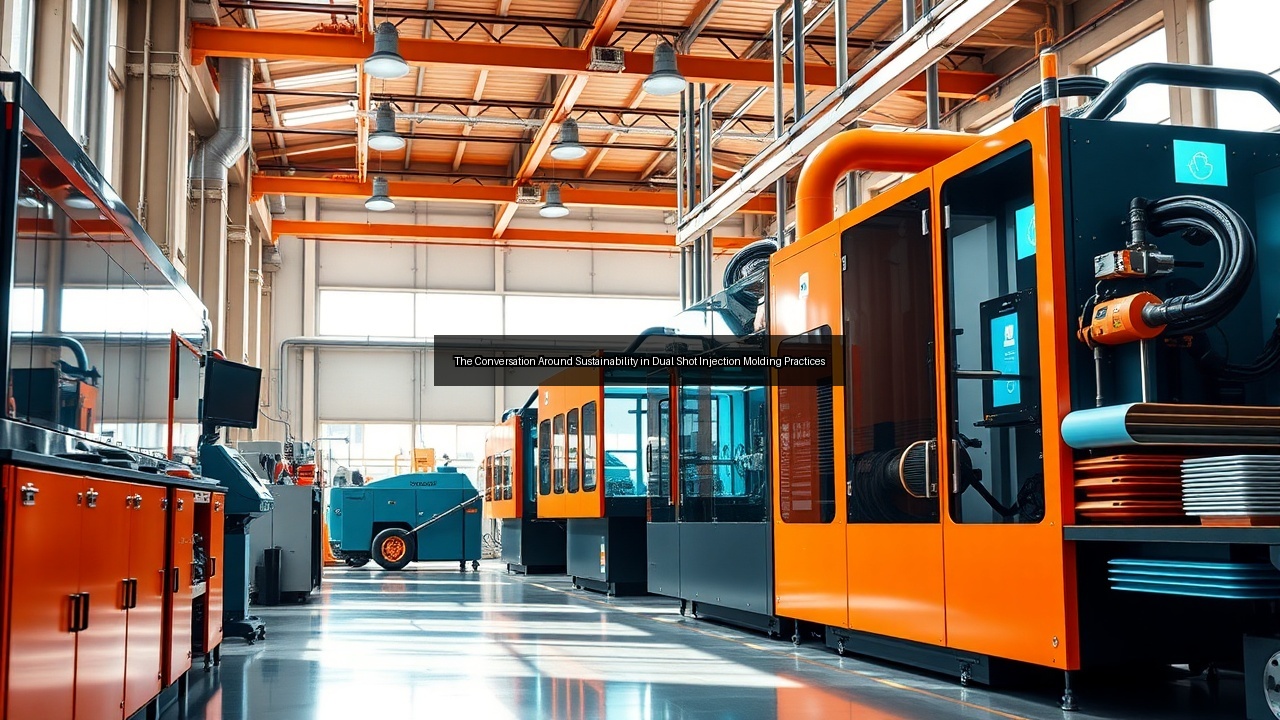
Understanding Dual Shot Injection Molding Practices
Overview of Injection Molding Techniques
Dual shot injection molding stands out among current manufacturing methods because it combines two materials or colors in a single cycle. Manufacturers rely on this approach to create complex parts without secondary assembly steps. The process supports precise bonding between layers and reduces the need for adhesives or fasteners. Related techniques like dual injection and 2 shot molding deliver similar results but vary in tooling requirements and cycle times. Companies turn to these methods when they need durable components with integrated seals or soft grips. The broader field of injection molding includes extrusion and standard single-shot runs, yet dual shot variants add efficiency by handling multiple materials at once. Engineers evaluate part geometry, material compatibility, and production volume before selecting dual shot injection molding over alternatives. This overview sets the stage for examining how the technique supports sustainability goals across industries that rely on plastics and thermoplastics.
The Dual Shot Injection Molding Process
The dual shot injection molding process begins with the first material entering a mold cavity to form the base structure. After partial cooling, the mold rotates or shifts to accept the second shot, which bonds directly to the initial layer. This sequence eliminates extra handling and cuts down on waste streams that often appear in multi-step production. Operators monitor temperature, pressure, and timing closely to achieve consistent adhesion between the two materials. Variants such as 2 shot molding and dual shot molding technique follow the same core logic while adjusting for specific resins or part designs. The method integrates well with thermoplastics that offer good flow characteristics and chemical compatibility. Production teams track overall cycle time because shorter runs lower energy consumption per part. When executed correctly, the process yields finished components ready for immediate use, supporting lean manufacturing principles that align with reduced material loss.
Comparison with Traditional Injection Molding
Traditional injection molding typically handles one material per cycle, requiring additional operations when multiple properties are needed. Dual shot injection molding removes those extra steps by performing both shots in one machine. The result appears in lower labor costs and fewer opportunities for defects during part transfer. Standard single-shot runs often generate more scrap from separate molding stages, whereas the combined approach minimizes offcuts and rejected pieces. Energy profiles differ as well, since dual shot equipment operates continuously rather than starting and stopping for secondary processes. Manufacturers compare the two methods on metrics such as tooling investment and material yield. In high-volume environments, dual shot techniques frequently deliver better throughput despite higher initial setup complexity. The comparison highlights why many facilities now evaluate 2 shot process options when updating legacy lines focused on basic injection molding.
Sustainability in Manufacturing: The Role of Dual Shot Injection Molding
Environmental Impact of Thermoplastics
Thermoplastics form the backbone of most dual shot injection molding projects, yet their environmental footprint depends on sourcing, processing, and end-of-life handling. Virgin resins contribute to resource extraction demands, while recycled grades lower that burden when quality remains consistent. The conversation around sustainability often centers on how these materials behave during repeated heating cycles inside molding equipment. Emissions from melting and injection phases add to overall plant impact, prompting facilities to optimize barrel temperatures and recovery systems. Dual shot methods can incorporate recycled content in one layer while reserving virgin material for critical surfaces. This selective use reduces total plastic consumption without sacrificing performance. Tracking lifecycle data helps teams quantify reductions in carbon output when switching from traditional single-material runs to integrated dual shot injection molding. The discussion continues as regulations tighten around plastic waste and manufacturers seek measurable improvements.
Reducing Waste through Overmolding
Overmolding within dual shot injection molding directly cuts waste by bonding materials in place rather than producing separate components that later require joining. Excess sprue and runner material decreases because the machine completes both shots before ejection. Facilities report lower scrap rates when they adopt this technique over multi-machine sequences. The approach also supports design choices that eliminate fasteners or adhesives, which themselves generate additional disposal streams. Engineers redesign parts to take advantage of the strong chemical or mechanical bonds created during the second shot. This waste reduction aligns with broader sustainability targets that emphasize material efficiency. Production data from plants using 2 shot injection molding shows measurable drops in landfill contributions from rejected assemblies. Overmolding therefore serves as a practical lever for teams committed to trimming plastic loss while maintaining part functionality.
Energy Efficiency in Dual Shot Processes
Dual shot injection molding machines consolidate operations into fewer cycles, which often translates to lower cumulative energy use per finished part. Heating two barrels simultaneously avoids repeated warm-up phases that single-shot lines experience. Advanced servo-driven systems recover kinetic energy during mold rotation, further trimming electricity demand. Facilities monitor kilowatt-hour metrics closely when comparing dual shot runs against conventional extrusion or molding setups. Shorter overall cycle times mean presses spend less time idling between batches. Process engineers fine-tune injection speeds and hold pressures to avoid over-processing that wastes power. These adjustments support sustainability reporting requirements that many customers now demand. The energy profile of dual shot injection molding continues to improve as control software and machine hardware advance together.
Innovative Materials and Sustainability
The Use of Aluminum in Injection Molding
Aluminum molds have gained traction in dual shot injection molding because they conduct heat rapidly and allow faster prototyping iterations. Their lighter weight reduces handling energy compared with steel alternatives during tool changes. Shops pair aluminum tooling with thermoplastics that process at moderate temperatures to extend mold life while preserving part quality. The material choice also lowers initial capital outlay for short production runs, making sustainable process trials more accessible. Engineers combine aluminum cores with inserts for wear-prone areas, balancing cost and durability. This hybrid approach fits well within the larger conversation about resource-efficient manufacturing. Facilities that adopt aluminum tooling report quicker setup times, which indirectly supports lower energy consumption across the production floor. The integration of aluminum into dual shot workflows demonstrates practical steps toward reduced environmental load without compromising output consistency.
Sustainable Alternatives to Traditional Plastics
Bio-based resins and recycled compounds now enter dual shot injection molding lines as viable replacements for petroleum-derived plastics. These alternatives maintain mechanical properties required for functional parts while lowering the embedded carbon from raw material extraction. Processors adjust parameters such as melt temperature and injection velocity to accommodate the different flow behaviors of these newer materials. The shift supports circular economy models that prioritize renewable feedstocks. Dual shot techniques allow one layer to use a high-performance sustainable polymer while the second layer provides cost-effective structure. Adoption requires close collaboration between material suppliers and molding teams to ensure adhesion and dimensional stability. As availability grows, more manufacturers test these options in 2 shot molding process trials. The move away from conventional plastics reflects ongoing leadership in material innovation aimed at long-term sustainability.
Thermoplastics: A Sustainable Choice?
Thermoplastics remain central to dual shot injection molding, yet their sustainability hinges on closed-loop recycling and responsible sourcing. Many grades now incorporate post-consumer content without sacrificing the repeatable melting behavior essential to the process. Designers specify these resins when parts must withstand repeated flexing or exposure to chemicals. The ability to regrind and reuse sprue material within the same production cell further improves material efficiency. Facilities track the percentage of recycled content per batch to meet customer sustainability criteria. While challenges persist around color consistency and property retention after multiple cycles, ongoing formulation improvements address these issues. Thermoplastics paired with dual shot techniques offer a pragmatic path forward compared with thermoset options that resist reprocessing. The discussion continues as industry participants weigh performance needs against environmental metrics in every new application.
Leadership in Sustainable Practices
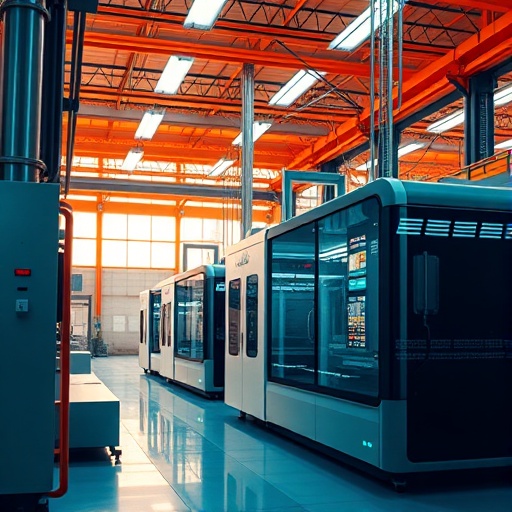
Industry Leaders in Dual Shot Injection Molding
Several companies have established leadership positions by refining dual shot injection molding for lower environmental impact. They invest in closed-loop water systems and energy-recovery units that capture heat from the process. These organizations share process data openly to accelerate adoption of efficient 2 shot molding techniques across the sector. Their tooling designs often incorporate aluminum components for faster thermal cycling and reduced machine runtime. Leadership extends to supplier partnerships that secure consistent supplies of recycled thermoplastics. By publishing case metrics on waste reduction and energy savings, these firms set benchmarks others can follow. Their commitment demonstrates that dual shot injection molding can advance both commercial and sustainability objectives when executed with disciplined engineering focus.
Case Studies: Successful Implementation of Sustainable Practices
One automotive supplier integrated dual shot injection molding with 30 percent recycled content in non-visible layers, cutting virgin plastic use by several tons annually. The project combined overmolding of soft-touch surfaces with structural bases in a single cycle, eliminating a separate assembly station. Energy logs showed a 12 percent drop in electricity per part compared with prior single-shot methods. Another electronics manufacturer switched to aluminum molds for its dual shot lines, achieving faster cooling and shorter cycle times that lowered overall plant emissions. Both examples highlight measurable gains in material efficiency and energy performance. Teams documented adhesion strength and dimensional tolerances remained within specification despite the material changes. These implementations illustrate how targeted adjustments in dual shot injection molding deliver tangible sustainability results without disrupting production schedules.
The Future of Dual Shot Injection Molding and Sustainability
Emerging developments point toward wider integration of 3d printing for rapid tooling validation before full dual shot production begins. This hybrid workflow shortens development time and reduces trial scrap. Continued advances in bio-resins and improved recycling streams will expand the range of thermoplastics suitable for 2 shot processes. Machine builders focus on servo-electric platforms that further cut energy draw during mold rotation. The ongoing conversation around sustainability will likely emphasize traceability of recycled content and end-of-life recyclability for finished parts. Facilities that maintain leadership in these areas position themselves for regulatory compliance and customer preference shifts. Dual shot injection molding stands ready to evolve alongside these material and process innovations, offering a scalable route to lower-impact manufacturing across multiple sectors.
See Also
- Maximizing Performance and Aesthetics with Dual Shot Injection Molding in Product Design
- Exploring the Benefits of Dual Shot Injection Molding for Sustainable Manufacturing
- Understanding the Dual Shot Molding Technique and Its Advantages Over Traditional Methods
- Why Dual Shot Injection Molding is the Future of Efficient Production Processes