Understanding Gauge Measurement in Steel Distribution for Fabricators
The Importance of Gauge Measurement in Steel Distribution
Understanding Gauge Measurement
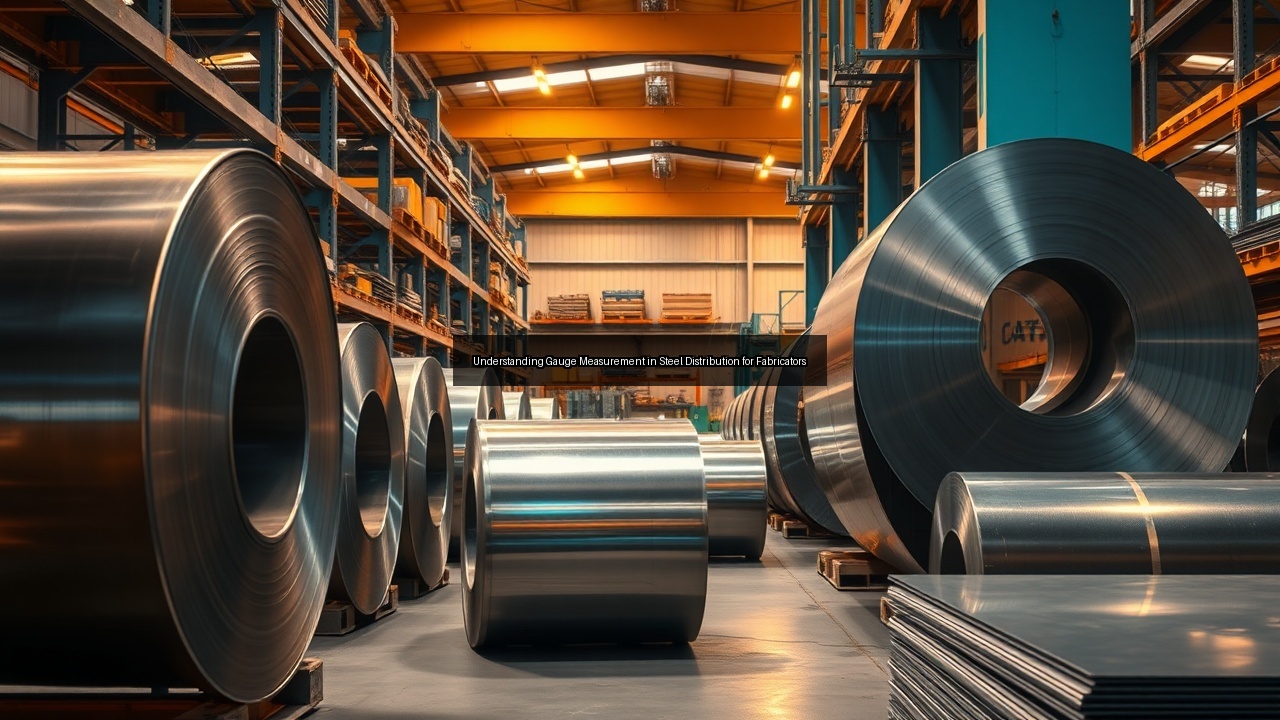
Gauge measurement defines the thickness of steel sheets and plates that fabricators rely on daily. Distributors measure gauge in reverse numbers where lower values indicate thicker material, a standard that prevents costly mismatches during cutting and forming. Fabricators check gauge with micrometers and ultrasonic tools before accepting deliveries from any steel distribution company. Accurate readings protect downstream processes in construction and automotive work. Experts at leading steel distributors calibrate their systems regularly to match mill tolerances. This precision supports consistent inventory for bar stock and coil products that reach fabricators across multiple states.
The Role of Gauge in Steel Specifications
Steel specifications list gauge alongside width, length, and grade to guide every order. A distributor must verify gauge before shipping carbon steel or alloy steel to avoid rejections at the fabricator’s dock. Specifications from mills include tolerance bands that distributors track closely during steel distribution. Fabricators reference these details when bidding on oil and gas projects that demand exact material properties. Clear gauge data in quotes from steel distribution companies reduces lead times and waste. Companies that publish full spec sheets online help fabricators match requirements faster for galvanized steel and stainless steel applications.
Impact of Gauge on Material Performance
Gauge directly affects strength, weight, and forming behavior of steel in finished parts. Thinner gauges suit lightweight aerospace components while thicker gauges support heavy construction frames. Fabricators adjust tooling and press settings based on gauge to prevent cracking in alloy steel or stainless. Steel distributors that maintain tight gauge control improve yield rates for their customers. Performance testing at the fabricator level confirms that delivered material meets load requirements. Consistent gauge across steel coil shipments ensures predictable results in high-volume production runs.
Types of Steel and Their Applications
Carbon Steel in Construction
Carbon steel remains the backbone of construction projects because of its strength and weldability. Fabricators select specific gauges for beams, plates, and bar stock that meet building codes. Steel distribution companies stock multiple grades to serve contractors who need quick turnaround on site deliveries. Gauge measurement ensures structural integrity when loads vary across floors and bridges. Distributors track inventory by gauge to prevent shortages during peak building seasons. Fabricators rely on reliable steel supply partners for consistent carbon steel that performs under demanding field conditions.
Alloy Steel: Properties and Uses
Alloy steel adds elements like chromium and molybdenum to improve hardness and corrosion resistance. Fabricators use these grades in pressure vessels and heavy machinery where standard carbon steel falls short. Gauge accuracy matters because alloy additions change forming limits at different thicknesses. Steel distributors provide certified test reports that list gauge alongside mechanical properties. Companies serving the oil and gas sector prioritize alloy steel coils with verified measurements. Fabricators gain competitive edges when distributors deliver precise alloy stock on schedule.
Stainless Steel in Automotive and Aerospace Industries
Stainless steel delivers corrosion resistance and clean finishes required in automotive exhaust systems and aerospace frames. Fabricators choose specific gauges to balance weight savings with durability. Steel distribution networks maintain dedicated stainless inventories to meet just-in-time needs of these industries. Gauge verification prevents defects during stamping and welding operations. Experts at stainless-focused distributors advise fabricators on grade and thickness combinations that optimize performance. Reliable steel suppliers support rapid design changes common in automotive and aerospace production.
Steel Distribution Process: From Supplier to Fabricator
The Role of Steel Distributors
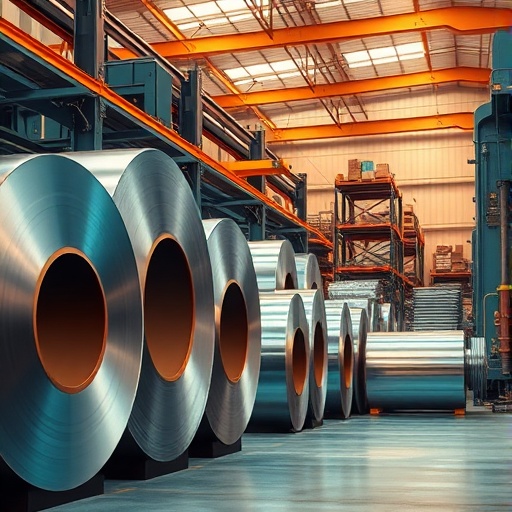
Steel distributors bridge mills and fabricators by holding inventory, processing orders, and ensuring quality. They measure gauge on incoming steel coil and sheet before allocating material to customer jobs. Distributors also cut to size and deliver bar stock that meets fabricator schedules. Effective steel distribution reduces fabricator lead times and inventory costs. Companies that invest in accurate measurement equipment earn repeat business from construction and manufacturing clients. Distributors maintain relationships with multiple mills to secure supply during market shortages.
Evaluating Steel Supply Companies
Fabricators evaluate steel supply companies on gauge consistency, delivery speed, and certification quality. They request sample measurements and mill test reports before committing to large orders. Strong steel distribution partners maintain transparent inventory systems that show real-time gauge availability. Companies with strong track records in stainless and alloy steel often win long-term contracts. Fabricators visit distributor facilities to review processing equipment and quality procedures. This due diligence protects project timelines across automotive, aerospace, and construction sectors.
Distribution Challenges in the Steel Industry
Steel distribution faces challenges from fluctuating mill output, transportation delays, and strict quality demands. Gauge variations in steel coil can trigger rejections that disrupt fabricator production. Distributors counter these issues with advanced scanning tools and backup supplier agreements. Regional steel distribution companies in high-demand areas maintain buffer stock of galvanized steel and carbon steel. Fabricators benefit when distributors communicate openly about potential gauge or availability issues. Proactive management keeps projects on track despite market volatility.
Innovations in Steel Processing and Measurement
Waterjet Cutting Techniques
Waterjet cutting allows fabricators to process steel sheets without heat distortion that alters gauge properties. Distributors now offer waterjet services that maintain tight tolerances on carbon steel and stainless. The technique suits complex shapes in alloy steel for aerospace and automotive parts. Steel distribution companies invest in waterjet systems to add value before delivery. Fabricators receive ready-to-assemble components with verified gauge integrity. This innovation shortens production cycles and reduces secondary processing needs.
Cold Rolled Steel vs. Hot Rolled Steel
Cold rolled steel offers tighter gauge tolerances and smoother surfaces than hot rolled steel. Fabricators select cold rolled for visible panels and precision parts where appearance matters. Hot rolled steel provides cost advantages for structural applications where gauge variation stays acceptable. Steel distributors stock both options to match project requirements. Gauge measurement remains critical during rolling to ensure consistent performance. Companies that explain these differences help fabricators choose the right material for each job.
The Future of Steel Coil Production
Steel coil production advances toward automated gauge control and real-time monitoring. Mills integrate sensors that adjust rolling parameters instantly to maintain target thickness. Distributors receive coils with digital certificates that document every gauge reading. Fabricators gain confidence when ordering from steel distribution companies that share this data. Future coils will support higher speeds in automotive and construction fabrication lines. These improvements strengthen the entire supply chain from mill to end user.
Regional Insights: Steel Distribution Trends in California
Local Steel Suppliers and Their Impact
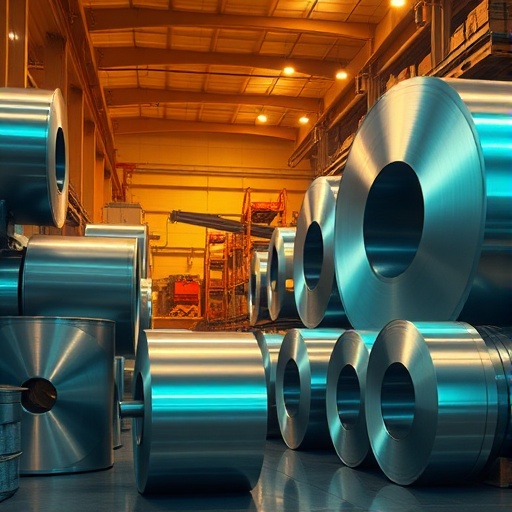
Steel suppliers in California serve a dense mix of construction, aerospace, and automotive fabricators. Local distributors maintain gauge-verified stock of galvanized steel and stainless to meet state building standards. Proximity reduces shipping times and supports just-in-time delivery models. Fabricators benefit from regional steel distribution companies that understand local seismic and environmental requirements. These suppliers often stock specialty alloys for oil and gas equipment used along the coast. Strong local networks keep California projects competitive.
Market Trends for Galvanized Steel
Galvanized steel demand rises in California due to corrosion concerns in coastal and agricultural areas. Fabricators order specific gauges for roofing, fencing, and structural frames. Steel distribution companies track market trends to balance inventory between hot dipped and electro-galvanized options. Gauge consistency ensures proper coating adhesion during fabrication. Local suppliers provide technical support that helps fabricators select optimal thicknesses. Growth in renewable energy projects further boosts galvanized steel needs across the state.
Emerging Technologies in Steel Fabrication
Emerging technologies such as laser scanning and automated gauge verification transform steel fabrication in California. Fabricators integrate these tools with data from steel distributors to confirm material specs before cutting. Waterjet cutting and robotic forming lines rely on precise gauge input for repeatable results. Steel distribution companies that adopt digital tracking systems deliver higher value to local customers. These advancements support faster turnaround on complex aerospace and automotive components. Regional innovation keeps California fabricators at the forefront of the industry.